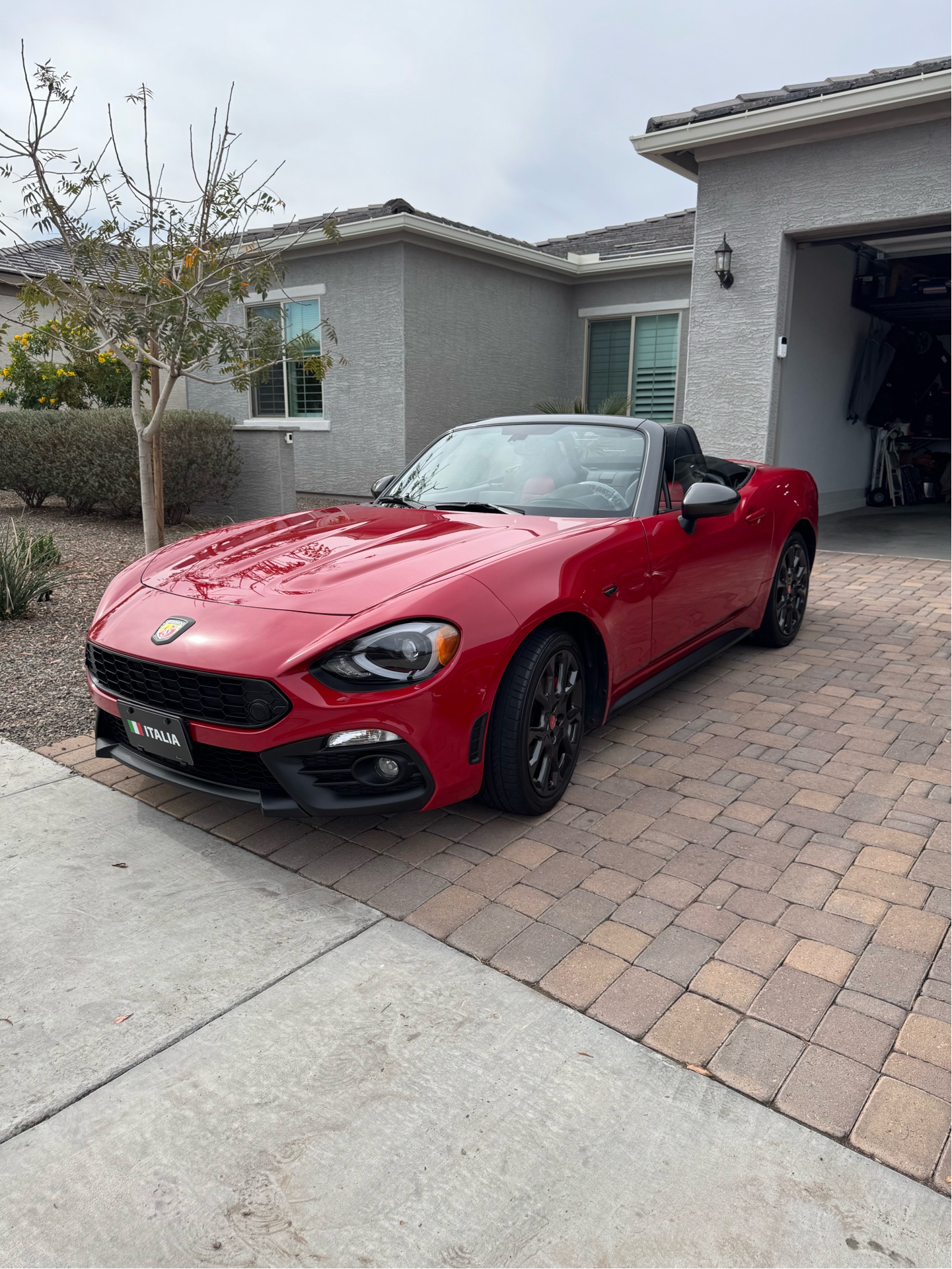
How to Protect Your Car from Arizona Dust, Hard Water, and Monsoon Season
Arizona is a beautiful place to live, but it's one of the toughest environments in the country for vehicles. Between the relentless dust, mineral-heavy hard water, and the dramatic violence of monsoon season, your car faces a unique set of challenges that most vehicle owners in other states never have to think about.
The good news is that with the right knowledge and approach, you can protect your vehicle from all of it. Let's break down each threat and the specific steps you can take to defend against it.
The Dust Problem
If you live in Arizona, you know dust. It's everywhere, all the time. Your car can be spotless in the morning and covered in a fine layer of desert dust by afternoon. And during a haboob — those massive dust storms that roll through the Valley — your vehicle can go from clean to completely coated in minutes.
But dust isn't just a cosmetic issue. Arizona desert dust contains fine particles of silica, feldspar, and other minerals that are abrasive at a microscopic level. When you wipe dust off your car with a dry cloth or even a quick rinse, those particles drag across the paint and create fine scratches. Over time, thousands of these micro-scratches dull your finish and make the paint look hazy and tired.
How to protect against dust:
Never dry-wipe a dusty car. This is the number one rule. No matter how tempting it is to quickly wipe down your car, dragging a cloth across dusty paint is essentially sanding it. Always rinse thoroughly before touching the surface.
Use proper wash technique. The two-bucket method — one bucket with soapy water, one with clean rinse water — is essential. Dip your wash mitt in the soapy water, wash a section of the car, then rinse the mitt in the clean water before reloading with soap. This prevents you from grinding dirt back into the paint.
Apply protection. A sealant or ceramic coating creates a slick surface that dust doesn't bond to as easily. When dust does settle on a coated surface, it comes off more easily during washing because it's sitting on top of the coating rather than embedding in the paint.
Consider a maintenance wash schedule. Regular washing — every one to two weeks — prevents dust from accumulating to the point where it becomes problematic. The longer dust sits on your paint, especially in the heat, the more it bonds to the surface.
Garage or cover your vehicle. If you have a garage, use it. If you don't, a quality car cover provides significant protection from dust accumulation, especially during dust storm season.
The Hard Water Challenge
Arizona's water is some of the hardest in the country. The Colorado River water that supplies much of the Phoenix metro area is loaded with calcium, magnesium, and other dissolved minerals. When this water dries on your vehicle's paint, those minerals are left behind as white, chalky deposits — water spots.
Water spots might seem like a minor cosmetic issue, but in Arizona's heat, they're much more than that. The minerals in hard water are alkaline, and when they're baked onto your paint by the sun, they can actually etch into the clear coat. These etchings become permanent marks that can only be removed through polishing — or in severe cases, wet sanding.
How to protect against hard water:
Dry your vehicle after washing. Never let water air-dry on your paint in Arizona. Use clean microfiber drying towels or a filtered air blower to remove all water from the surface immediately after rinsing.
Be aware of sprinkler overspray. If your vehicle is parked near landscaping with sprinklers, it's getting hit with hard water regularly. Either move the vehicle, adjust the sprinklers, or use a car cover.
Use filtered water for washing. A deionized water filter attached to your hose removes the minerals from the water before it touches your paint. This eliminates water spots at the source. It's a worthwhile investment for anyone who washes their car at home in Arizona.
Apply ceramic coating. Ceramic coating's hydrophobic properties cause water to bead and roll off the surface rather than sitting and drying. This dramatically reduces water spot formation. When spots do form on a coated surface, they're much easier to remove because they're sitting on the coating rather than bonding to the clear coat.
Address water spots quickly. If you notice water spots, don't wait. The longer they sit in the Arizona heat, the deeper they etch. A vinegar-water solution or a dedicated water spot remover can handle fresh spots. Older, etched spots may require professional polishing.
Surviving Monsoon Season
Monsoon season in Arizona typically runs from mid-June through September, bringing dramatic thunderstorms, heavy rain, strong winds, and massive dust storms. For your vehicle, monsoon season is a perfect storm of every environmental threat combined.
A typical monsoon event might start with a haboob that coats your car in thick dust, followed by rain that turns that dust into muddy water, followed by intense sun that bakes the whole mess onto your paint. It's the worst possible combination for your vehicle's finish.
How to protect against monsoon damage:
Pre-monsoon preparation. Before monsoon season starts, get a full detail with clay bar treatment and apply fresh protection — ideally ceramic coating. Going into monsoon season with clean, protected paint gives you a significant advantage.
Don't drive through standing water. Beyond the obvious safety risks, driving through flooded areas exposes your vehicle's undercarriage, wheel wells, and lower panels to dirty, debris-laden water that can cause corrosion and contamination.
Wash after every major storm. Monsoon rain isn't clean rain. It picks up dust, dirt, pollen, and pollutants as it falls, and it deposits all of that on your vehicle. Washing within a day or two of a major storm prevents this contamination from bonding to your paint.
Check for damage after haboobs. Severe dust storms can sandblast paint, pit windshields, and damage trim. After a major haboob, inspect your vehicle for any visible damage and address it promptly.
Post-monsoon detail. After monsoon season ends, schedule a comprehensive detail that includes clay bar treatment to remove all the accumulated contamination from the season. This is also a good time to assess your paint's condition and apply fresh protection for the fall and winter.
Putting It All Together
The key to protecting your vehicle in Arizona is a layered approach:
- Start with a clean foundation. Get a professional detail with paint correction to remove existing damage and start fresh.
- Apply long-term protection. Ceramic coating provides the best ongoing defense against UV, dust, hard water, and monsoon contamination.
- Maintain regularly. Regular washing with proper technique prevents contaminants from accumulating and causing damage.
- Address issues promptly. Don't let water spots, bird droppings, or bug splatter sit on your paint. The sooner you remove them, the less damage they cause.
- Schedule seasonal details. Pre-summer and post-monsoon details keep your vehicle protected through the toughest months.
Arizona's environment is harsh, but it doesn't have to destroy your vehicle. With the right knowledge, products, and maintenance routine, your car can look great year-round — even in the desert.
Ready to Protect Your Vehicle?
Schedule your mobile detailing appointment today. We come to you anywhere in the West Valley.
Ready to Get Started?
Book your mobile detailing appointment today. We come to you.